
/blog
9/211/25
+
*
*
+
What Does Packaging Actually Cost? A Straight Answer.

Phil Metcalfe
Category
Packaging Advice
Read time
2 minutes
Updated
Apr 27, 2026

It's the question every brand asks and almost no supplier answers directly. What does packaging actually cost? The honest answer is: it depends - but the reasons it depends are worth understanding, because they'll help you make better decisions and have better conversations with suppliers.
What drives the price up
Quantity is the biggest single variable. The lower your order quantity, the higher your per-unit cost, because setup and tooling costs are spread across fewer units. A short run of a beautifully finished box might cost £2–4 per unit; the same box at scale might cost a fraction of that.
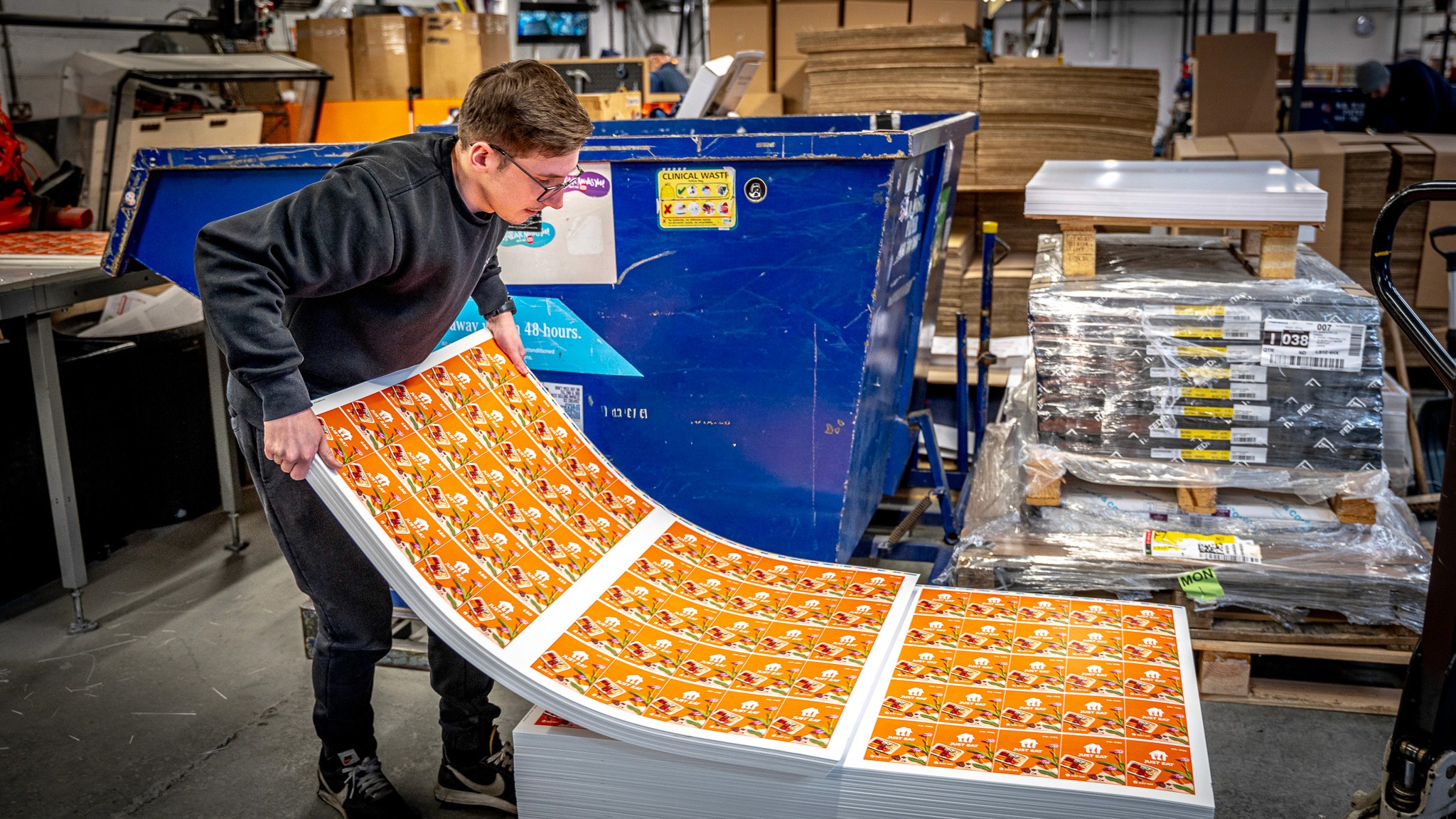
Finishing adds cost - but it adds value too. Gold or silver foiling, embossing, soft-touch laminates, die-cut windows - each of these involves an additional process, and each one increases cost per unit. The question isn't whether finishing is expensive; it's whether the value it adds to your product justifies the outlay.

Stock weight matters. Heavier board costs more to buy and more to produce, but it feels premium in a way that thin stock doesn't. If your brand depends on the packaging communicating quality, cutting corners on board weight is a false economy.
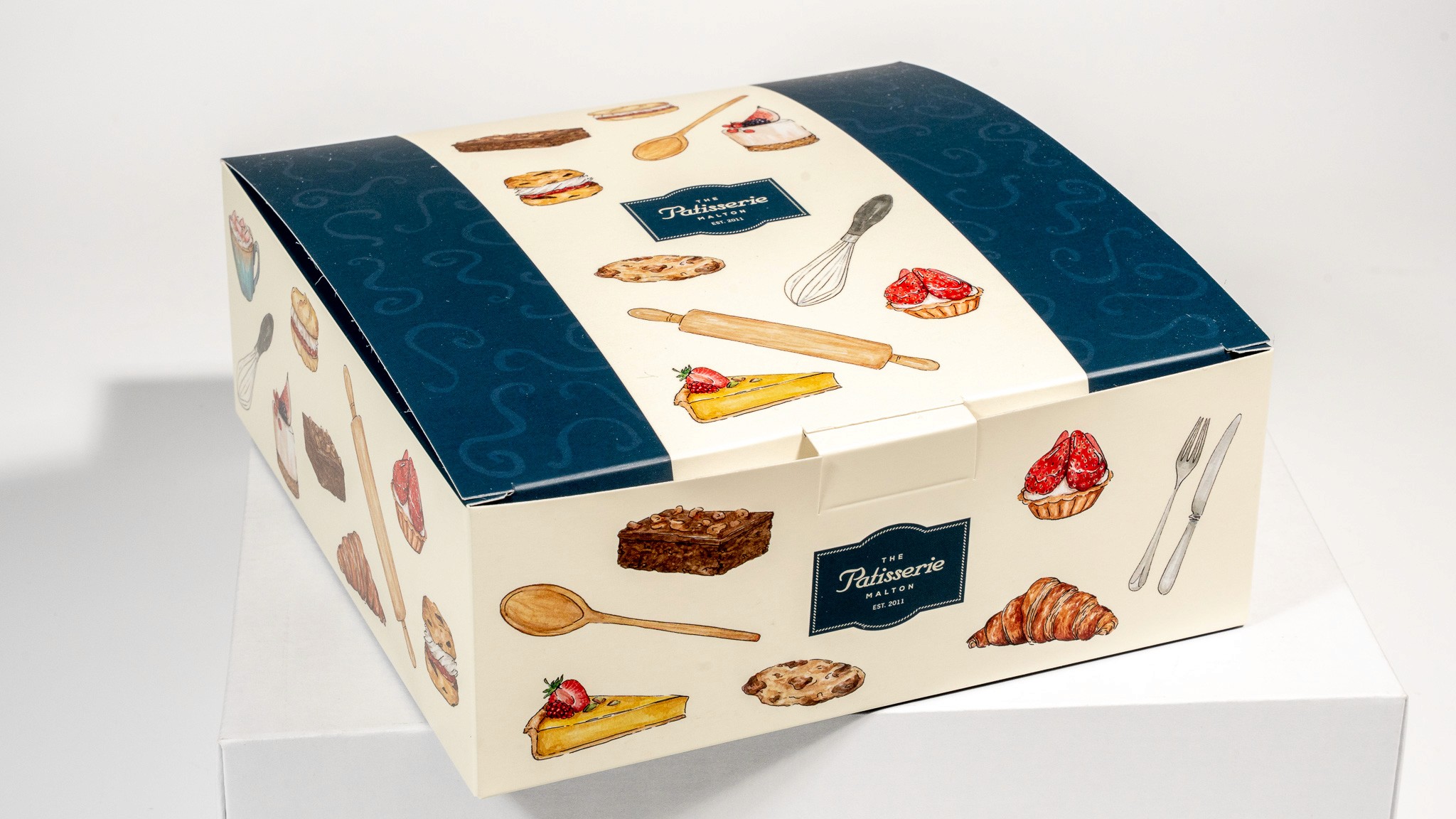
Complexity matters too. A straight-sided box with a simple print and no finishing is cheap to produce. A box with intricate die-cutting, tight-register foiling on textured stock, and multiple laminate finishes is not - and shouldn't be.
What drives the price down
Volume. Simplicity. Reusing tooling across multiple SKUs where possible. Supplying print-ready artwork. Not changing your spec between runs. These all reduce cost without reducing quality.
What should you budget for a first run?
For a short run of premium retail packaging - say 250 to 500 units with some level of finishing - budgeting between £500 and £2,000 is a reasonable starting range, depending heavily on complexity. That's a wide range because the variables are wide. Get a proper quote with a full spec rather than relying on estimates.
The costs no one tells you about
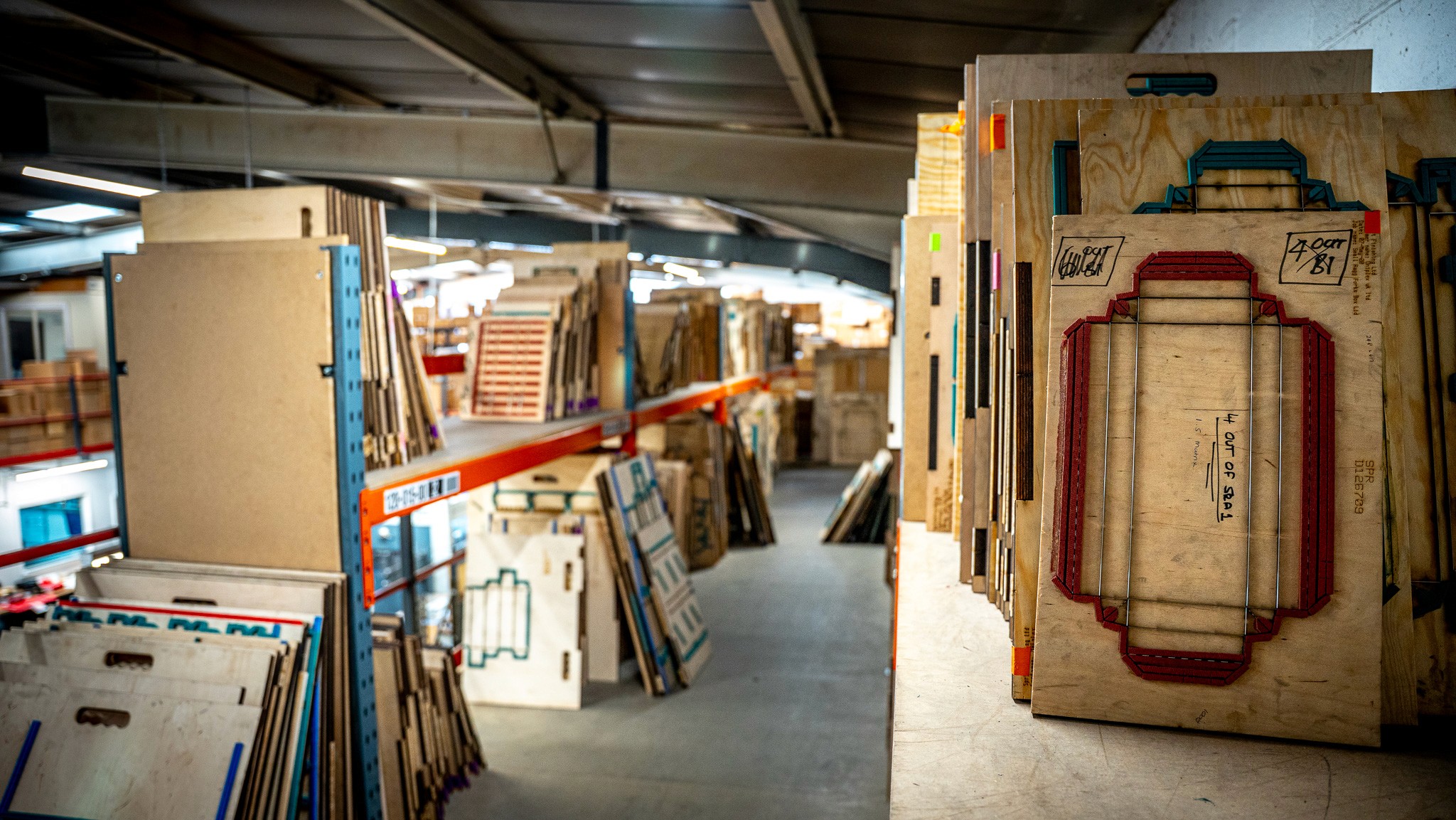
Artwork setup. Tooling for die-cutting. Physical proofs. Corrections if the artwork isn't print-ready. Delivery. None of these are hidden in a dishonest sense - any good supplier will itemise them - but first-time buyers often budget only for the unit cost and are surprised by the rest. Ask for a fully itemised quote that includes everything from set-up to delivery.
Price per unit is not the same as cost of packaging. Understand the full picture before you commit.
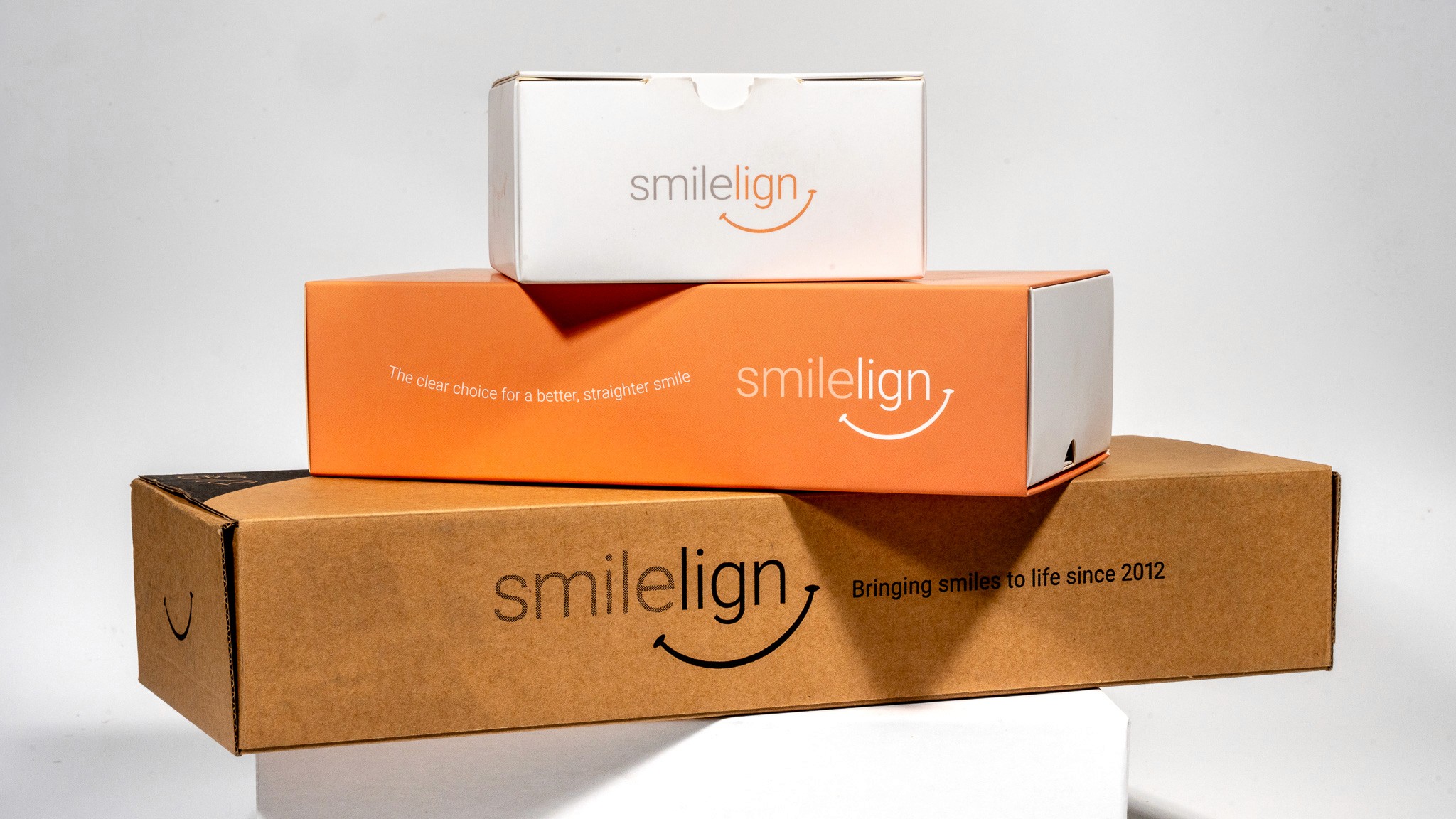
Sprint Finishing works with brands at every stage - from first runs of a few hundred units right up to hundreds of thousands. Everything needed to prototype and mock up your packaging is in-house, so you can see and feel exactly what you're getting before a full run is committed to. And the conversation always starts in the same place: not with specs and quantities, but with how the right packaging will benefit your product and your business. If that sounds like the kind of supplier you've been looking for, get in touch.
Phil Metcalfe
Operations Director


