
/blog
9/211/25
+
*
*
+
Your First Packaging Run: How to brief a supplier, avoid costly mistakes, and get something you're proud of

Stephen Bell
Category
Packaging Advice
Read time
2 minutes
Updated
Apr 27, 2026

Most brands get their first packaging iterations wrong. Not because the supplier let them down - although that happens too - but because they arrived at the conversation without knowing what they didn't know. Packaging is a more complex buy than it first appears, and the gap between a brief and a finished box is full of decisions that can cost you money or save it, depending on how well you're prepared.
This is a guide to getting it right the first time. It won't cover every scenario, but it will give any founder, brand manager, or startup the foundations they need to walk into a packaging conversation with confidence.
Start with the product, not the box
The first question isn't "what do I want the packaging to look like?" It's "what does the packaging need to do?" Before you think about colour, finish, or whether you want foiling, you need to understand the functional requirements of the job.

How does your product reach the customer? Is it posted? Sold on shelf? Given at a show? Does it need to protect something fragile, or is it primarily a branding vehicle? What are the dimensions and weight of the product it needs to contain? These answers shape everything else. A box designed for shelf display is a fundamentally different brief to one designed to survive a Royal Mail journey.
Get clear on function before you get excited about form. Your supplier will thank you, and your first run will be significantly less likely to come back wrong.
Understand your quantities before you ask for a quote
Quantity is one of the biggest drivers of packaging cost - and it works in a way that surprises many first-time buyers. The per-unit cost of a short run is much higher than the per-unit cost of a large one, because setup costs (tooling, plates, make-ready time) are spread across fewer units. A run of 500 boxes might cost you £1.50 per unit; the same box at 5,000 might cost £0.45.
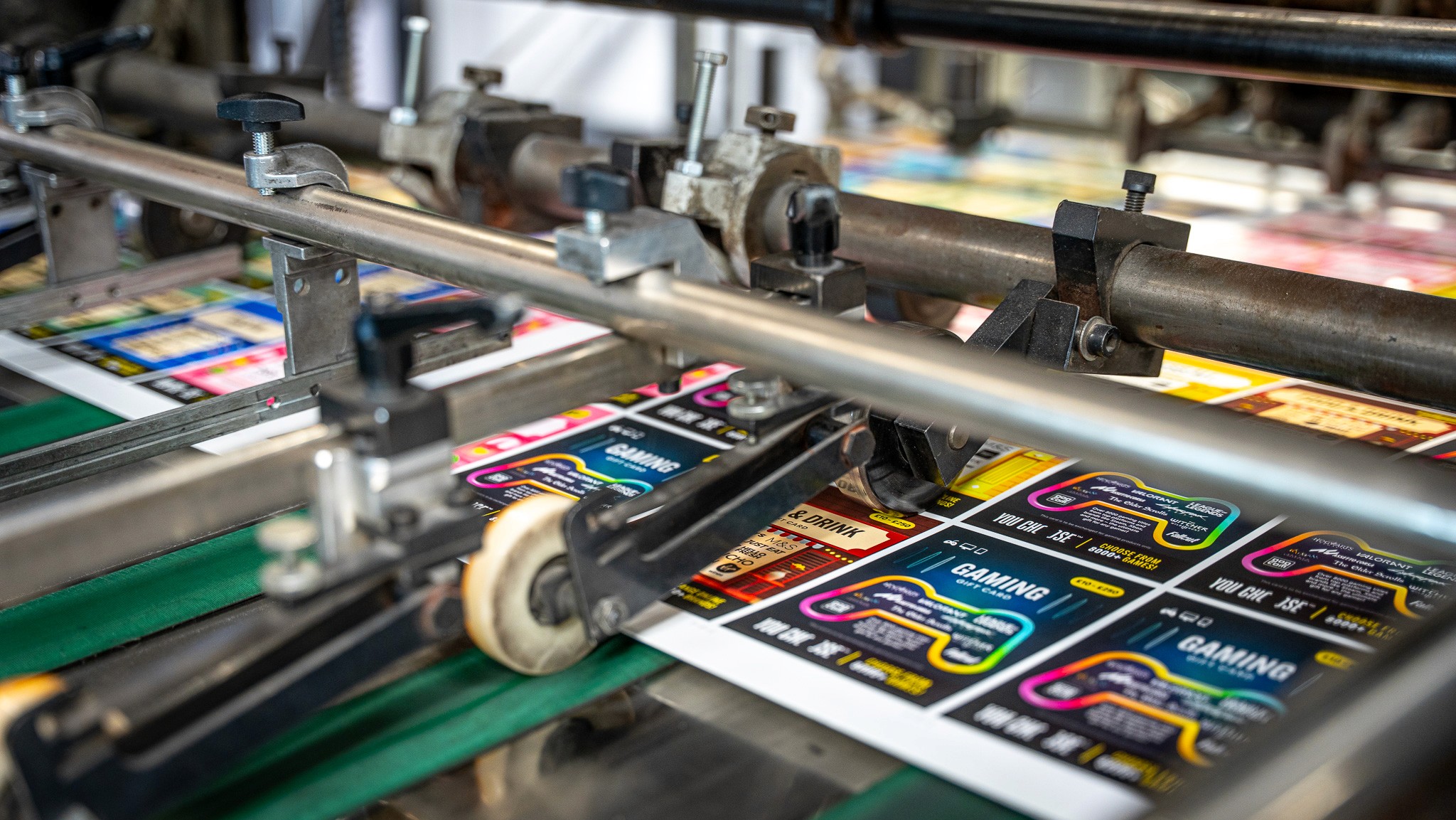
This doesn't mean you should order more than you need to get the unit price down. Ordering 5,000 units to save money on a product that might pivot in six months is not a saving - it's a commitment. Be honest about how much stock you can realistically move, and factor the higher unit cost of a short run into your pricing model. It's the cost of doing things carefully.
Some suppliers - the good ones - offer genuinely short-run options using digital print and flexible tooling. If you're at an early stage, look for a supplier who can work at your scale without making you feel like a problem.
What your supplier actually needs from you
When you approach a packaging supplier for a quote, the more specific you can be, the faster and more accurate the response will be. The basics they'll need: product dimensions (so they can size the packaging correctly), intended use (shelf, postal, gifting, display), approximate quantity, and any finishing ideas you have in mind (though a good supplier will advise on this).
If you have artwork, supply it - ideally as a print-ready PDF or AI file, rather than a jpeg or a rough mock-up. If you don't have artwork yet, say so clearly. Many suppliers can work with you on the specification first and bring in artwork later. What doesn't work is sending a finished design and asking for it to be fitted to a box - the box and the design need to be developed together.
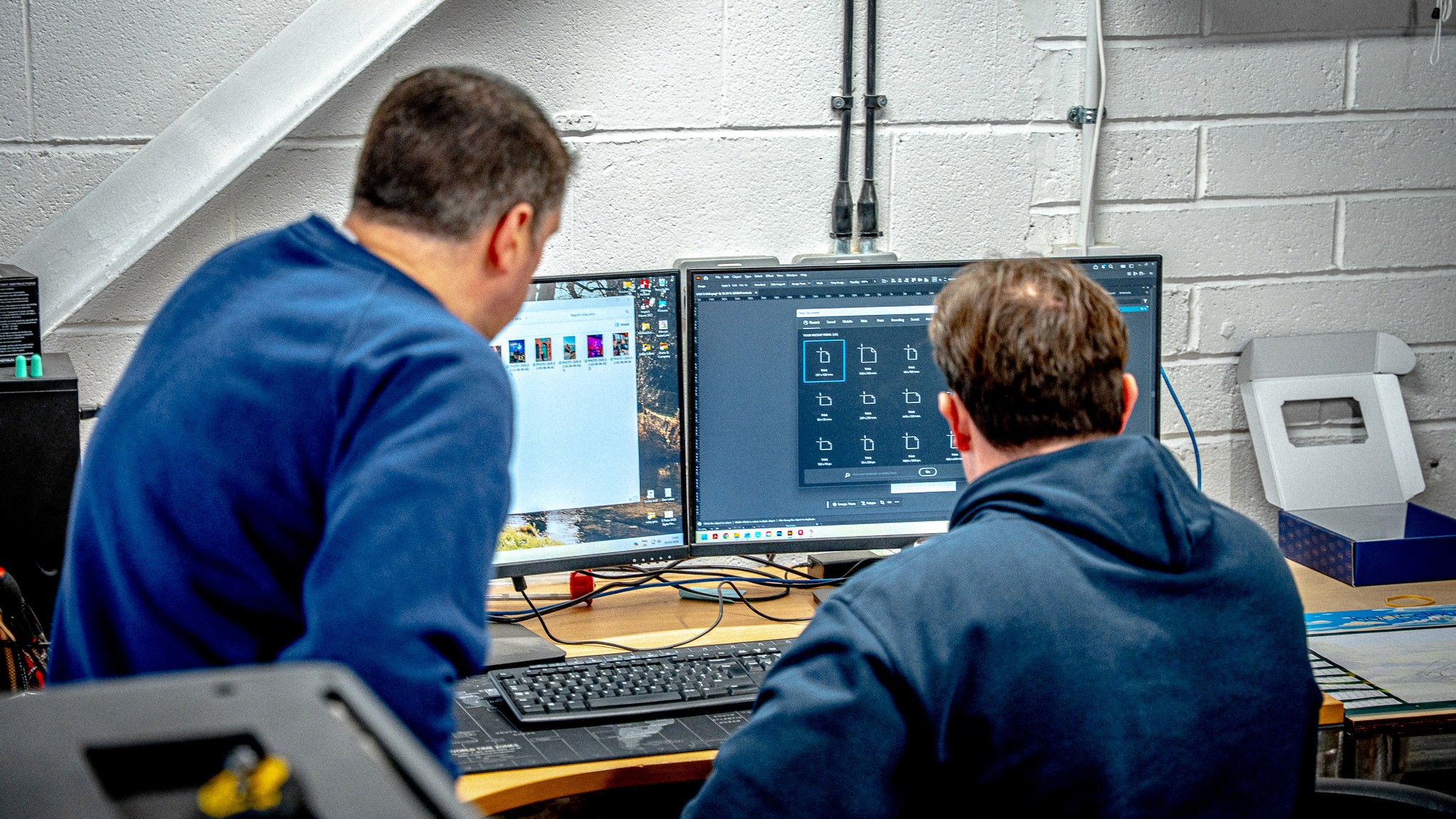
If you're working with a graphic designer on your packaging artwork, make sure they are working from a die-line supplied by your printer, not designing in isolation and hoping it fits. It's a common and expensive mistake.
Questions worth asking before you commit
A good supplier will invite questions. Here are the ones that matter most for a first run: What are your minimum order quantities? What is the lead time from signed artwork to delivery? Do you provide a physical proof before printing the full run? What file formats do you need for artwork? Are there any materials or finishes you'd recommend given my brief? And - importantly - what happens if something goes wrong?
That last one tells you a lot about a supplier. The answer should be clear and direct. Packaging isn't a category where problems never happen; it's one where how a supplier handles problems defines the relationship.
Timelines: always longer than you think
First-time buyers consistently underestimate how long packaging takes. A quote might come back in a day or two. Artwork approval, tooling, production, and delivery can take three to six weeks - longer for complex jobs or at busy periods. If you're working to a launch date, a trade show deadline, or a retail listing, build your packaging timeline backwards from the date you need it in hand, not forwards from when you get around to briefing it.
Rush jobs are possible, but they cost more and increase the chance of errors. Give the process the time it needs.
The proof: don't skip it
Before any serious run goes to print, ask for a physical proof. This is a pre-production sample of your actual packaging - printed and finished - that lets you check colour, fit, finish, and structural integrity before the full quantity is produced. It costs a little more and takes a little longer. It is always worth it.
A digital proof on screen will not show you what a soft-touch laminate feels like, or whether your gold foil is landing in exactly the right position, or whether your product actually fits the box at the tolerances you specified. The physical proof is where you find out. Find out before 5,000 units are produced, not after.
Finding the right supplier for where you are now
Not every supplier is right for every brand at every stage. A large commercial printer set up for minimum runs of 100,000 units is not the right home for a startup needing 500 beautifully finished boxes - you'll be deprioritised, quoted standard rates with no consideration your current budget or the future of your business, and probably underwhelmed by the experience.
Look for a supplier who works at your scale and takes it seriously. Ask whether they have experience with brands at a similar stage to yours. Ask to see examples of work at the kind of quantity you're considering. The right supplier should feel like a partner in the process, not a processor of orders. You're going to need to be able to pick up the phone when something needs resolving.
The best packaging relationships don't start with the biggest order. They start with the right conversation.
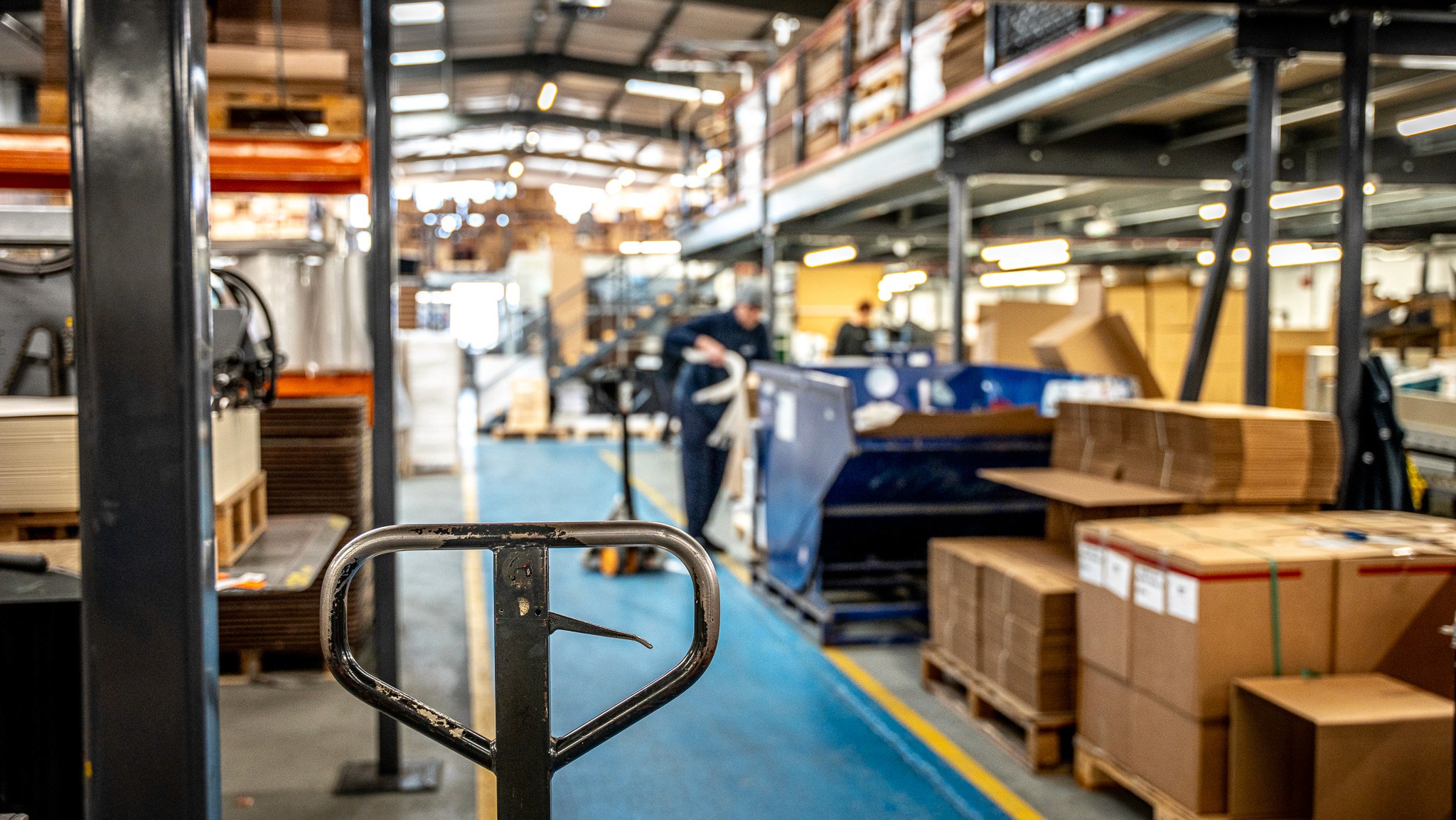
Sprint Finishing works with brands at every stage - from first runs of a few hundred units right up to hundreds of thousands. Everything needed to prototype and mock up your packaging is in-house, so you can see and feel exactly what you're getting before a full run is committed to. And the conversation always starts in the same place: not with specs and quantities, but with how the right packaging will benefit your product and your business. If that sounds like the kind of supplier you've been looking for, get in touch.
Stephen Bell
Founder


